Introduction to Nitric Oxide and Endothelial Function
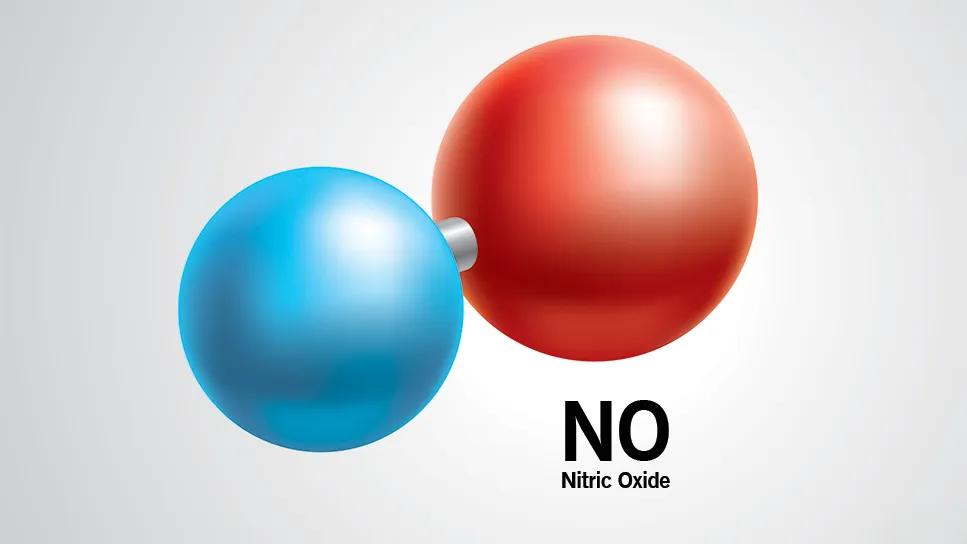
The discovery of endothelium-derived relaxing factor by Robert F. Furchgott and John Zawadzki marked a major breakthrough in cardiovascular biology. Subsequent research identified this relaxing factor as nitric oxide (NO), a critical signaling molecule involved in vascular homeostasis and endothelial regulation.
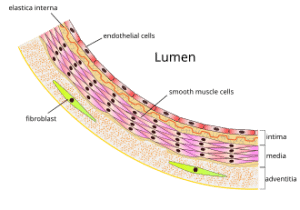
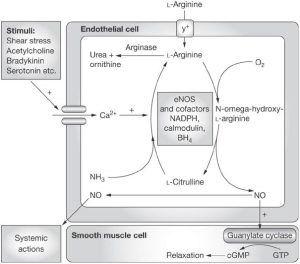
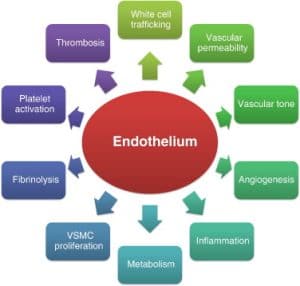
Nitric oxide is synthesized from the semi-essential amino acid L-arginine through the catalytic activity of endothelial nitric oxide synthase (eNOS). NO exerts multiple protective cardiovascular functions, including regulation of vascular tone, inhibition of vascular smooth muscle proliferation, suppression of platelet aggregation, and reduction of inflammatory cell adhesion to the vascular wall. These biological activities make NO essential for maintaining healthy endothelial function and preventing atherosclerotic cardiovascular disease.
Under physiological conditions, the vascular endothelium maintains a balance between vasodilation, anti-inflammatory signaling, and antithrombotic activity. However, exposure to cardiovascular risk factors such as hypertension, hyperlipidemia, diabetes mellitus, smoking, aging, obesity, and hyperhomocysteinemia can impair endothelial function. One of the earliest manifestations of endothelial dysfunction is a reduction in bioavailable NO.
Loss of NO bioactivity occurs through two principal mechanisms:
- Reduced NO synthesis
- Increased oxidative degradation of NO by reactive oxygen species (ROS)
Oxidative stress plays a central role in endothelial injury. Excessive ROS production rapidly inactivates NO, limiting its vasoprotective effects and promoting vascular inflammation and atherosclerosis. For this reason, antioxidant therapies such as vitamin C supplementation and lipid-lowering therapies including statins have demonstrated beneficial effects on endothelial function.
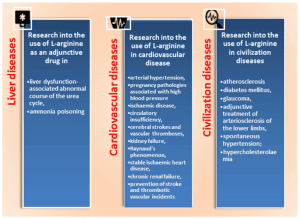
Another therapeutic strategy aimed at restoring endothelial health involves enhancing endogenous NO production by increasing substrate availability for eNOS. Since L-arginine serves as the primary substrate for NO synthesis, supplementation with this amino acid has been widely investigated as a method to improve vascular function and cardiovascular outcomes.
Biological Functions of L-Arginine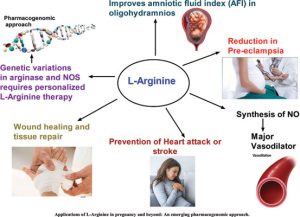
L-arginine is a conditionally essential amino acid involved in numerous physiological pathways beyond nitric oxide synthesis. It contributes to:
- Protein synthesis
- Hormonal regulation
- Immune function
- Wound healing
- Cellular metabolism
- Erectile physiology
- Ammonia detoxification through the urea cycle
Although the human body can synthesize L-arginine from citrulline via renal and intestinal pathways, endogenous production may become insufficient during metabolic stress, cardiovascular disease, aging, or inflammation. Consequently, dietary intake and supplementation significantly influence circulating L-arginine concentrations.
Because NO deficiency is strongly associated with endothelial dysfunction and vascular disease, increasing L-arginine availability has emerged as a potential therapeutic approach for improving NO synthesis and restoring endothelial integrity.
Effects of L-Arginine Supplementation in Experimental Models
Animal Studies and Atherosclerosis
Numerous experimental studies have demonstrated that acute and chronic L-arginine supplementation improves endothelial-dependent vasodilation in animal models. Enhanced vascular responsiveness is primarily attributed to increased NO production and improved eNOS activity.
Research in hypercholesterolemic rabbits, genetically modified mice, and primate models has shown that L-arginine supplementation can:
- Reduce endothelial dysfunction
- Slow progression of atherosclerotic plaques
- Improve arterial compliance
- Enhance eNOS expression
- Lower oxidative stress
- Improve vascular redox balance
Some studies also suggest that combining L-arginine with antioxidants or L-citrulline may further enhance NO bioavailability and attenuate progression of vascular lesions.
However, the effects of L-arginine in advanced atherosclerosis remain controversial. Increased arginase activity observed in severe vascular disease may divert L-arginine metabolism away from NO production toward urea and ornithine synthesis, potentially limiting therapeutic efficacy.
L-Arginine Supplementation in Humans
Endothelial Function and Vascular Health
Clinical studies evaluating L-arginine supplementation in humans have produced variable results. Differences in dosage, administration route, disease severity, and concomitant medications likely explain these inconsistencies.
High-dose intravenous or intra-arterial administration of L-arginine generally improves endothelial-dependent vasodilation, particularly in individuals with impaired endothelial function. Benefits have been observed in:
- Hypercholesterolemia
- Coronary artery disease
- Peripheral arterial disease
- Diabetes mellitus
- Hypertension
- Heart failure
- Smoking-related vascular dysfunction
- Hyperhomocysteinemia
- Aging-associated endothelial impairment
In healthy individuals with normal endothelial function, low-dose supplementation often produces minimal vascular effects, suggesting that L-arginine is most effective in conditions characterized by reduced NO bioavailability.
Several clinical investigations reported additional benefits including:
- Reduced platelet aggregation
- Improved exercise tolerance
- Lower LDL oxidation
- Improved walking distance in peripheral artery disease
- Reduced inflammatory responses
- Enhanced quality of life in microvascular angina
The L-Arginine Paradox
Why Additional L-Arginine Improves NO Production Despite Adequate Intracellular Levels
A major biochemical question emerged from L-arginine research: intracellular concentrations of L-arginine are already significantly higher than the amount required for eNOS activity. Yet supplementation with additional L-arginine still improves NO production and endothelial function in many pathological conditions.
This phenomenon became known as the L-arginine paradox.
The paradox can be summarized by the following concept:
Intracellular L-arginine concentration≫Km of eNOS\text{Intracellular L-arginine concentration} \gg K_m \text{ of eNOS}
Under normal biochemical assumptions, eNOS should already be saturated with substrate. Therefore, increasing extracellular L-arginine should theoretically have little or no effect on NO synthesis. However, clinical and experimental evidence demonstrates the opposite in many cardiovascular disorders.
Several mechanisms have been proposed to explain this paradox.
Mechanisms Underlying the L-Arginine Paradox
1. Increased Arginase Activity
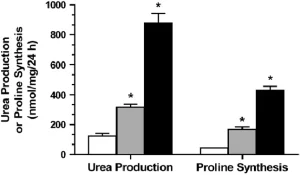
Arginase competes with eNOS for L-arginine by converting it into ornithine and urea.
Enhanced arginase activity reduces intracellular L-arginine availability for NO synthesis and contributes to endothelial dysfunction. Elevated arginase expression has been documented in aging, hypercholesterolemia, hypertension, and vascular inflammation.
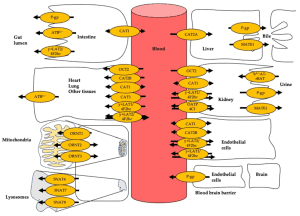
2. Impaired Cellular Transport of L-Arginine
Oxidized LDL cholesterol and inflammatory mediators can impair the activity of cationic amino acid transporters responsible for L-arginine uptake into endothelial cells.
Reduced intracellular transport may limit local substrate delivery to eNOS despite apparently normal plasma L-arginine concentrations.
3. Intracellular Compartmentalization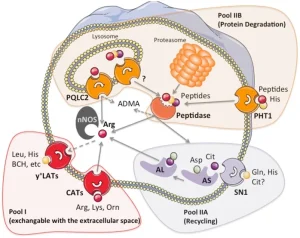
L-arginine pools within endothelial cells may not be uniformly distributed. Local concentrations near eNOS may become insufficient even when total intracellular concentrations appear adequate.
This microenvironmental compartmentalization could explain why extracellular supplementation restores NO production.
Asymmetric Dimethylarginine (ADMA): The Key to the Paradox
ADMA as an Endogenous NOS Inhibitor
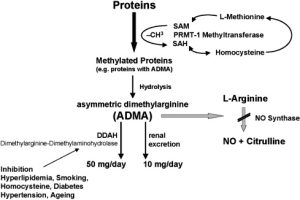
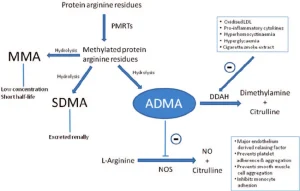
One of the most important discoveries in endothelial biology was the identification of asymmetric dimethylarginine (ADMA), an endogenous competitive inhibitor of nitric oxide synthase.
ADMA directly competes with L-arginine for binding to eNOS and thereby suppresses NO production.
Elevated plasma ADMA concentrations have been documented in numerous cardiovascular and metabolic disorders, including:
- Hypercholesterolemia
- Diabetes mellitus
- Hypertension
- Coronary artery disease
- Peripheral arterial disease
- Chronic kidney disease
- Heart failure
- Hyperhomocysteinemia
- Preeclampsia
High ADMA concentrations are strongly associated with impaired endothelial-dependent vasodilation and increased cardiovascular risk.
Importance of the L-Arginine/ADMA Ratio
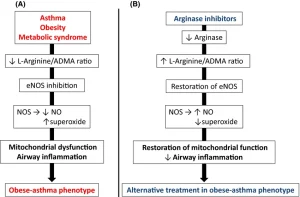
The balance between L-arginine and ADMA appears to be more clinically relevant than the absolute concentration of either molecule alone.
The functional relationship can be expressed as:
L-arginine/ADMA ratio=[L-arginine]/[ADMA]
A reduced L-arginine/ADMA ratio results in diminished eNOS activity and impaired NO synthesis, even when circulating L-arginine levels remain within normal ranges.
Clinical studies consistently demonstrate that lower L-arginine/ADMA ratios correlate with:
- Endothelial dysfunction
- Reduced flow-mediated vasodilation
- Increased oxidative stress
- Higher cardiovascular risk
- Progression of atherosclerosis
Supplementation with L-arginine may restore endothelial function by improving this ratio and overcoming ADMA-mediated inhibition of eNOS.
Regulation of ADMA Metabolism
ADMA is generated through post-translational methylation of arginine residues in proteins by protein arginine methyltransferases (PRMTs). After protein degradation, free ADMA enters circulation.
Its metabolism is mainly controlled by the enzyme dimethylarginine dimethylaminohydrolase (DDAH), which degrades ADMA into citrulline and dimethylamine.
Several pathological conditions reduce DDAH activity, leading to ADMA accumulation. These include:
- Oxidative stress
- Hyperglycemia
- Inflammation
- Oxidized LDL cholesterol
- Smoking
- Hyperhomocysteinemia
- Chronic infection
Reduced DDAH activity therefore contributes directly to endothelial dysfunction by increasing endogenous NOS inhibition.
Cardiovascular Applications of L-Arginine Therapy
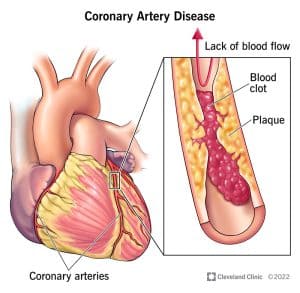
Coronary Artery Disease
Clinical studies indicate that L-arginine supplementation may improve endothelial-dependent vasodilation, exercise tolerance, and vascular responsiveness in patients with stable coronary artery disease and angina.
Some trials reported improved acetylcholine-mediated vasodilation and reduced LDL oxidation following oral supplementation.
However, results remain inconsistent, particularly in patients already receiving aggressive cardiovascular pharmacotherapy such as statins, ACE inhibitors, beta-blockers, and aspirin.
Peripheral Arterial Disease
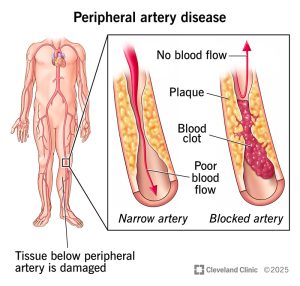
In patients with peripheral arterial disease, intravenous and oral L-arginine therapy has demonstrated improvements in:
- Claudication distance
- Pain-free walking distance
- Peripheral blood flow
- Endothelial function
These effects are likely mediated through enhanced NO production and improved microvascular circulation.
Aging and Endothelial Dysfunction
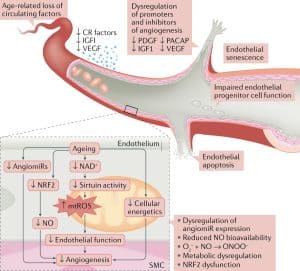
Aging is associated with progressive endothelial impairment and reduced NO bioavailability.
Studies in elderly individuals have shown that oral and intravenous L-arginine supplementation can improve flow-mediated vasodilation and reduce vascular stiffness, particularly in subjects with pre-existing endothelial dysfunction.
Experimental studies further suggest that L-arginine may delay endothelial senescence by increasing NO synthesis and reducing oxidative stress.
Clinical Trials After Myocardial Infarction
ARAMI Study
The ARAMI trial investigated oral L-arginine therapy in patients with acute myocardial infarction.
Results showed:
- Good safety profile
- Reduction in composite cardiovascular endpoints
- Potential benefit in hyperlipidemic subgroups
Although overall statistical significance was limited, findings suggested possible vascular benefits in selected populations.
VINTAGE MI Trial
The VINTAGE MI study evaluated long-term L-arginine supplementation following myocardial infarction.
Unlike earlier studies, this trial reported:
- No significant improvement in vascular stiffness
- No improvement in left ventricular remodeling
- Increased mortality in the treatment group
These findings raised concerns regarding indiscriminate L-arginine supplementation after myocardial infarction and emphasized the importance of patient selection and risk stratification.
Researchers proposed that future clinical studies should include evaluation of endothelial function and measurement of the L-arginine/ADMA ratio to identify individuals most likely to benefit.
Clinical Significance and Future Perspectives
Current evidence suggests that endothelial dysfunction is strongly influenced by the balance between L-arginine availability and ADMA-mediated inhibition of eNOS.
The L-arginine paradox highlights the complexity of NO regulation and demonstrates that endothelial NO production depends not only on substrate concentration but also on transporter activity, enzyme regulation, oxidative stress, and endogenous NOS inhibitors.
Measurement of the L-arginine/ADMA ratio may become an important biomarker for:
- Cardiovascular risk assessment
- Endothelial dysfunction monitoring
- Personalized nutritional therapy
- Targeted NO-based interventions
Future therapeutic strategies may involve:
- L-arginine supplementation
- L-citrulline therapy
- ADMA-lowering interventions
- DDAH activation
- Antioxidant therapies
- Precision cardiovascular nutrition
Further large-scale randomized clinical trials are required to determine which patient populations derive the greatest cardiovascular benefit from modulation of the L-arginine/ADMA pathway.