
Introduction
Antiretroviral therapy (ART) has significantly changed the management of HIV infection, transforming it from a fatal condition into a long-term manageable chronic disease. In addition to improving patient survival and immune recovery, ART reduces HIV viral load and lowers the risk of HIV transmission, making treatment an essential component of global HIV prevention strategies. As international HIV programs continue to expand, effective ART delivery has become one of the most important public health achievements worldwide.
Most people living with HIV are located in resource-limited settings, particularly in sub-Saharan Africa and low- and middle-income countries. Over the last decade, global access to ART has increased dramatically, with millions of patients receiving treatment through national and international HIV programs. However, despite this progress, maintaining long-term adherence to ART remains a major challenge.
New HIV treatment approaches such as “test and treat” strategies and universal treatment for HIV-positive pregnant women have increased the number of individuals starting therapy earlier in the course of infection. While these strategies improve prevention and long-term outcomes, they also create additional challenges related to treatment adherence, patient retention, and healthcare system capacity.
Consistent adherence to ART is essential for achieving viral suppression, preventing drug resistance, improving immune function, and reducing HIV-related morbidity and mortality. Missing doses or interrupting therapy for prolonged periods can lead to treatment failure, increased viral replication, and higher transmission risk. Successful HIV treatment therefore depends not only on access to medication, but also on sustained patient adherence throughout lifelong therapy.
Understanding ART Adherence
ART adherence includes several important stages of treatment behavior:
- Treatment initiation: starting ART after receiving a prescription
- Dose-taking execution: taking medication correctly and consistently as prescribed
- Treatment persistence: continuing therapy long term without interruption
These components are critical for maintaining viral suppression and improving long-term patient outcomes. Retention in HIV care is also closely linked to adherence because patients require continuous medical monitoring, counseling, and medication refills.
Adherence levels vary depending on several factors, including the type of ART regimen, patient health status, treatment duration, and social conditions. Although modern antiretroviral drugs may tolerate occasional missed doses better than older therapies, sustained treatment interruptions remain highly dangerous.
Major Barriers to ART Adherence
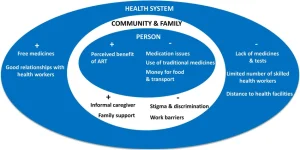
Improving ART adherence in resource-limited settings is complex because adherence is influenced by multiple interconnected factors.
Individual-Level Factors
Patient-related barriers include:
- Limited HIV treatment knowledge
- Mental health disorders such as depression or anxiety
- Financial instability
- Substance abuse
- Fear of medication side effects
- Treatment fatigue
- Poor health literacy
Patients who feel healthy after starting ART may incorrectly believe treatment is no longer necessary, leading to inconsistent medication use.
Social and Interpersonal Challenges
Social conditions strongly affect HIV treatment outcomes. Common barriers include:
- HIV-related stigma and discrimination
- Lack of family or community support
- Fear of disclosure
- Social isolation
- Relationship instability
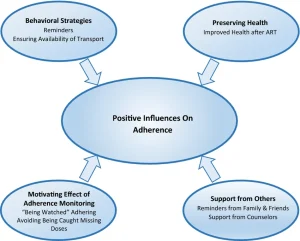
Supportive family networks and peer encouragement often improve adherence and long-term engagement in HIV care.
Healthcare System Limitations
Resource-limited healthcare systems frequently face:
- Medication stock shortages
- Long clinic waiting times
- Overcrowded facilities
- Limited trained healthcare workers
- Poor patient follow-up systems
- Long travel distances to clinics
These structural problems increase the risk of missed appointments and treatment interruptions.
Economic and Structural Barriers
Poverty remains one of the strongest predictors of poor ART adherence. Patients may struggle to afford:
- Transportation to healthcare facilities
- Nutritious food
- Communication costs
- Time away from work
Food insecurity is particularly important because some patients avoid taking ART on an empty stomach due to side effects.
Education and Counseling Interventions
Education and counseling are among the most widely used adherence support strategies in HIV programs
Patient Education
Educational interventions aim to improve:
- HIV treatment knowledge
- Medication understanding
- Health literacy
- Awareness of adherence importance
Patient-centered education uses simple language, culturally relevant examples, and personalized communication to improve treatment understanding.
Adherence Counseling
Counseling focuses on behavioral and emotional aspects of HIV treatment. Effective counseling helps patients:
- Identify adherence barriers
- Build medication routines
- Develop coping strategies
- Improve motivation
- Address stigma and mental health challenges
Counseling interventions may be delivered individually or in groups and are often integrated into routine HIV care.
Cognitive Behavioral Therapy (CBT)
Cognitive behavioral therapy is increasingly used to support ART adherence. CBT helps patients recognize negative thought patterns and behavioral habits that interfere with medication use. Studies in several low-resource settings have shown promising improvements in adherence and treatment retention using CBT-based interventions.
Motivational Interviewing
Motivational interviewing is another effective patient-centered counseling approach. It helps patients explore personal motivations for treatment adherence and resolve conflicts related to behavior change. This method can be delivered by trained healthcare workers without requiring highly specialized psychological expertise.
Peer Support and Community-Based Approaches
Peer support interventions are highly effective in many HIV treatment programs.
Peer Counseling
Peer counselors are individuals living with HIV who provide emotional support, treatment guidance, and practical advice. Their shared experiences help reduce stigma and improve patient trust.
Peer-based programs may include:
- Treatment buddies
- Community health workers
- Mentor mothers
- Support groups
- Expert patient networks
These interventions often improve medication adherence, clinic attendance, and psychosocial well-being.
Adherence Clubs
Adherence clubs are community-based group care models designed for stable HIV patients. These clubs allow patients to:
- Collect ART refills quickly
- Receive peer counseling
- Reduce clinic visits
- Share treatment experiences
Adherence clubs have shown strong results in improving retention in care and maintaining viral suppression.
ICT and Digital Health Solutions
Information and communication technologies (ICT) are increasingly used to support ART adherence at scale.
SMS Reminder Systems
Mobile phone text messaging interventions can help patients remember medication schedules and clinic appointments. Weekly reminder messages have shown positive effects on adherence in several African countries.
Two-way SMS communication systems are especially effective because they allow patients to interact directly with healthcare providers.
Electronic Drug Monitoring
Electronic dosing monitors record medication container openings and provide detailed adherence tracking data. These devices can:
- Detect missed doses
- Trigger reminder messages
- Support targeted counseling
- Identify patients at risk of treatment failure
Real-time electronic monitoring systems may become increasingly important as technology costs decrease.
Electronic Pharmacy Refill Systems
Digital pharmacy tracking systems improve patient monitoring by identifying delayed medication pickups and missed refill appointments. These systems help healthcare providers intervene earlier before treatment interruption occurs.
Healthcare Delivery Restructuring
Healthcare system redesign is essential for improving ART adherence in high-burden settings.
Decentralized HIV Care
Decentralized treatment services bring HIV care closer to communities and reduce transportation burdens. Community ART delivery models improve access and reduce pressure on centralized clinics.
Task Shifting
Task shifting allows nurses, community workers, and trained lay personnel to provide certain HIV services traditionally delivered by physicians. This approach increases healthcare system efficiency and expands treatment coverage.
Differentiated Care Models
Differentiated HIV care adapts services according to patient stability and treatment needs. Stable patients may receive:
- Longer medication refill periods
- Fewer clinic visits
- Community-based ART delivery
- Simplified follow-up systems
These approaches reduce healthcare system overload while improving patient convenience.
Economic and Social Protection Interventions
Economic support strategies address poverty-related barriers to ART adherence.
Cash Transfer Programs
Conditional and unconditional cash transfers can improve healthcare access by helping patients cover transportation and daily living expenses. Some studies have shown improved treatment retention and adherence with financial support interventions.
Food Assistance Programs
Food supplementation and nutrition support improve ART adherence among food-insecure populations. Nutritional assistance reduces treatment interruptions caused by hunger and medication side effects.
Livelihood and Microfinance Programs
Economic empowerment programs that provide agricultural support, small business training, or microfinance opportunities may improve long-term HIV treatment outcomes by reducing financial instability and improving social integration.
Tailored Adherence Support
Not all HIV patients require the same level of adherence intervention. Effective HIV programs increasingly focus on targeted and personalized support strategies.
High-Risk Populations
Certain populations may require additional adherence support, including:
- Adolescents and young adults
- Pregnant and postpartum women
- Substance users
- Sex workers
- Men who have sex with men
- Individuals with mental health conditions
Tailored interventions improve the relevance and effectiveness of adherence programs.
Monitoring Adherence
Accurate adherence measurement is essential for identifying patients who need support. Common monitoring methods include:
- Self-report questionnaires
- Pill counts
- Pharmacy refill tracking
- Viral load monitoring
- Electronic drug monitoring
Each method has advantages and limitations, and combined approaches are often most effective.
Future Directions for ART Adherence Programs
Future HIV adherence strategies will likely combine multiple interventions, including:
- Digital monitoring technologies
- Community-based support
- Differentiated care systems
- Behavioral counseling
- Economic empowerment programs
Emerging antiretroviral therapies, including long-acting injectable formulations and integrase inhibitor-based regimens, may reduce adherence burden for some patients. However, long-term monitoring and patient support will remain essential.
Implementation science research is also needed to identify scalable, cost-effective adherence interventions suitable for real-world healthcare systems in low-resource environments.
Conclusion
Improving ART adherence in resource-limited settings is essential for achieving global HIV control goals and ending the AIDS epidemic. Although significant progress has been made in expanding ART access, long-term treatment success depends heavily on sustained adherence and retention in care.
Multiple intervention strategies have demonstrated promising results, including patient counseling, peer support, mobile health technologies, healthcare delivery restructuring, and economic support programs. Scalable and patient-centered approaches that address both medical and social barriers are critical for improving viral suppression and long-term HIV outcomes.
As HIV treatment programs continue to expand globally, integrating innovative adherence interventions into routine healthcare systems will play a central role in reducing treatment failure, preventing drug resistance, and improving quality of life for people living with HIV.