
Introduction
Advances in the management of HIV infection have led to a dramatic transformation in clinical outcomes over the past decades. The introduction and scale-up of antiretroviral therapy (ART) have significantly reduced both morbidity and mortality associated with the disease, converting HIV from a rapidly fatal infection into a chronic, manageable condition.
Despite these substantial therapeutic achievements and extensive global public health interventions, HIV continues to represent a major global health burden. In 2014 alone, more than 2 million new infections were reported worldwide, highlighting the ongoing failure of existing prevention strategies to fully control transmission at the population level.
The global epidemic is primarily driven by sexual transmission, which accounts for the majority of new infections. As a result, there is a critical need for highly effective, durable, and scalable prevention strategies capable of reducing transmission from HIV-infected individuals to their sexual partners. Among the most promising approaches is the use of antiretroviral therapy not only as treatment but also as a preventive intervention.
Rationale for Treatment as Prevention (TasP)
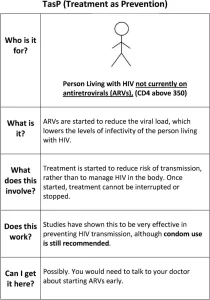
Early observational studies conducted among serodiscordant couples (in which one partner is HIV-positive and the other is HIV-negative) provided the first evidence that ART reduces the risk of sexual transmission. These studies consistently demonstrated that individuals receiving effective ART with suppressed viral loads were significantly less likely to transmit the virus to their partners.
However, observational evidence alone could not establish causality or quantify the magnitude of prevention. This led to the development of large-scale randomized controlled trials designed to rigorously evaluate whether early initiation of ART could reduce HIV transmission at the individual and population levels.
The HPTN 052 Trial
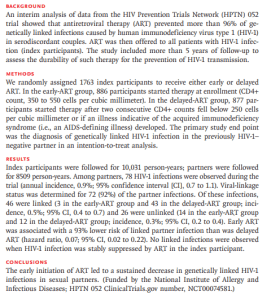
The HIV Prevention Trials Network (HPTN 052) study was a landmark multinational randomized controlled trial designed to evaluate the effect of early versus delayed ART initiation on HIV transmission.
1. Study population and setting
The trial enrolled 1,763 serodiscordant heterosexual couples across 13 clinical sites in nine countries, including Malawi, Zimbabwe, South Africa, Botswana, Kenya, Thailand, India, Brazil, and the United States.
2. Eligibility criteria
Index participants (HIV-positive partners) had baseline CD4+ T cell counts between 350 and 550 cells/mm³ and had not previously received long-term antiretroviral treatment, except for short-term prophylaxis for prevention of mother-to-child transmission.
3. Randomization and interventions
Participants were randomly assigned to one of two study arms:
- Early-ART group: Immediate initiation of ART at enrollment
- Delayed-ART group: ART initiation only when CD4+ counts fell below 250 cells/mm³ or when an AIDS-defining illness occurred
Both groups received standard preventive care, including counseling, condom provision, and treatment for opportunistic infections according to local guidelines.
Follow-Up and Monitoring
Participants were followed regularly over an extended period, with visits scheduled monthly during the initial phase and then quarterly.
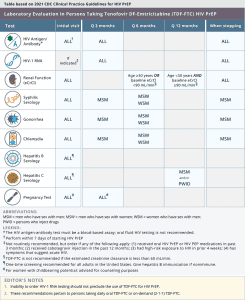
At each visit:
- Clinical and laboratory assessments were performed for index participants
- HIV-negative partners were tested for HIV infection
- Behavioral counseling and adherence support were provided
- Condom distribution and risk-reduction interventions were reinforced
HIV infections in partners were confirmed at a centralized laboratory to ensure diagnostic accuracy.
Interim Findings and Ethical Modification
In May 2011, an interim analysis revealed a 96% reduction in genetically linked HIV transmission in the early-ART group compared with the delayed-ART group. This striking result demonstrated not only a powerful preventive effect but also a clinical benefit for treated individuals.
Given the magnitude of benefit, the Data and Safety Monitoring Board recommended early disclosure of results. Following this decision, all participants in the delayed-ART group were offered immediate ART regardless of CD4+ count, reflecting a major ethical shift in trial management. The study, however, continued through 2015 to assess long-term durability of the effect.
Laboratory and Genetic Analysis of Transmission
A key strength of the trial was the rigorous determination of whether infections in partners were truly linked to the index participant.
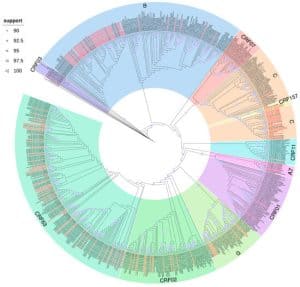
1. Genetic linkage assessment
Transmission linkage was evaluated using:
- Phylogenetic analysis of HIV-1 pol gene sequences
- Bayesian genetic distance modeling
- Next-generation sequencing of env gene regions in selected cases
These methods allowed researchers to distinguish between:
- Linked infections: transmission from enrolled index partner
- Unlinked infections: acquisition from external partners
This distinction was essential for accurately measuring intervention efficacy.
Results
1. Participant retention and follow-up
The study maintained high retention rates over time:
- 1,536 index participants remained in follow-up at study end
- More than 10,000 person-years of observation were accumulated
- Over 85% of partners completed follow-up assessments
This strong retention strengthened the reliability of the findings.
2. ART uptake over time
Following the interim results:
- 100% of early-ART participants were on treatment
- In the delayed-ART group, ART uptake progressively increased
- By study end, approximately 96% of delayed-ART participants had initiated therapy
This convergence reflects the global shift toward earlier treatment initiation.
3. HIV transmission outcomes
During the study:
- 78 total HIV infections occurred among partners
- 46 infections were confirmed as genetically linked
- 26 infections were unlinked
- A small number remained unclassifiable due to technical limitations
Critically:
- Only 3 linked transmissions occurred in the early-ART group
- 43 linked transmissions occurred in the delayed-ART group
This demonstrates a profound protective effect of early ART.
Effectiveness of ART in Preventing Transmission
The primary outcome analysis showed:
- ~93% reduction in linked HIV transmission over the full study period
- Up to 97% reduction during early follow-up phases
Kaplan–Meier analyses confirmed a rapid and sustained divergence in infection rates between study groups following ART initiation.
Importantly, almost all transmission events in the early-ART group occurred when the index participant had not yet achieved viral suppression or experienced treatment failure, reinforcing the central role of viral load in transmission risk.
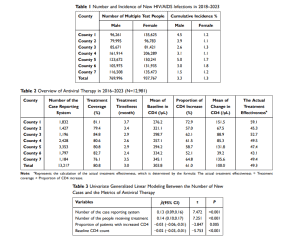
Factors Influencing Transmission Risk
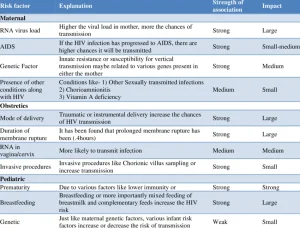
Several biological and behavioral variables were associated with transmission probability:
- Higher baseline viral load in index participants increased transmission risk
- Lower CD4+ counts correlated with increased likelihood of linked infection
- Inconsistent condom use significantly elevated infection risk
- Delayed ART initiation increased cumulative exposure time and transmission opportunities
These findings reinforce the multifactorial nature of HIV transmission dynamics.
Public Health and Clinical Implications
The HPTN 052 trial provides definitive evidence that ART is not only a treatment strategy but also a highly effective prevention tool. The results support the concept of “treatment as prevention” (TasP), where suppression of viral replication in infected individuals substantially reduces transmission risk at both individual and population levels.
These findings have influenced global HIV guidelines, leading to:
- Universal recommendation for early ART initiation regardless of CD4+ count
- Expansion of “test and treat” strategies worldwide
- Integration of ART into national HIV prevention programs
However, successful implementation requires:
- Widespread HIV testing
- Rapid linkage to care
- Sustained adherence to therapy
- Reliable monitoring of viral suppression
Conclusion
The final results of the HPTN 052 trial conclusively demonstrate that early and sustained antiretroviral therapy is one of the most powerful interventions available for preventing sexual transmission of HIV. By achieving and maintaining viral suppression, ART dramatically reduces infectiousness, protects sexual partners, and contributes to broader epidemic control.
These findings establish treatment as prevention as a cornerstone of modern HIV strategy and reinforce the importance of universal, early access to antiretroviral therapy for all individuals living with HIV.